Replacement & upgrade
Hot Water Cylinder Replacement
Hot water cylinders do not last forever. Most New Zealand cylinders reach the end of their service life somewhere between 15 and 25 years, and failure often shows up as leaking, rust staining, reduced hot-water volume or rising power bills.
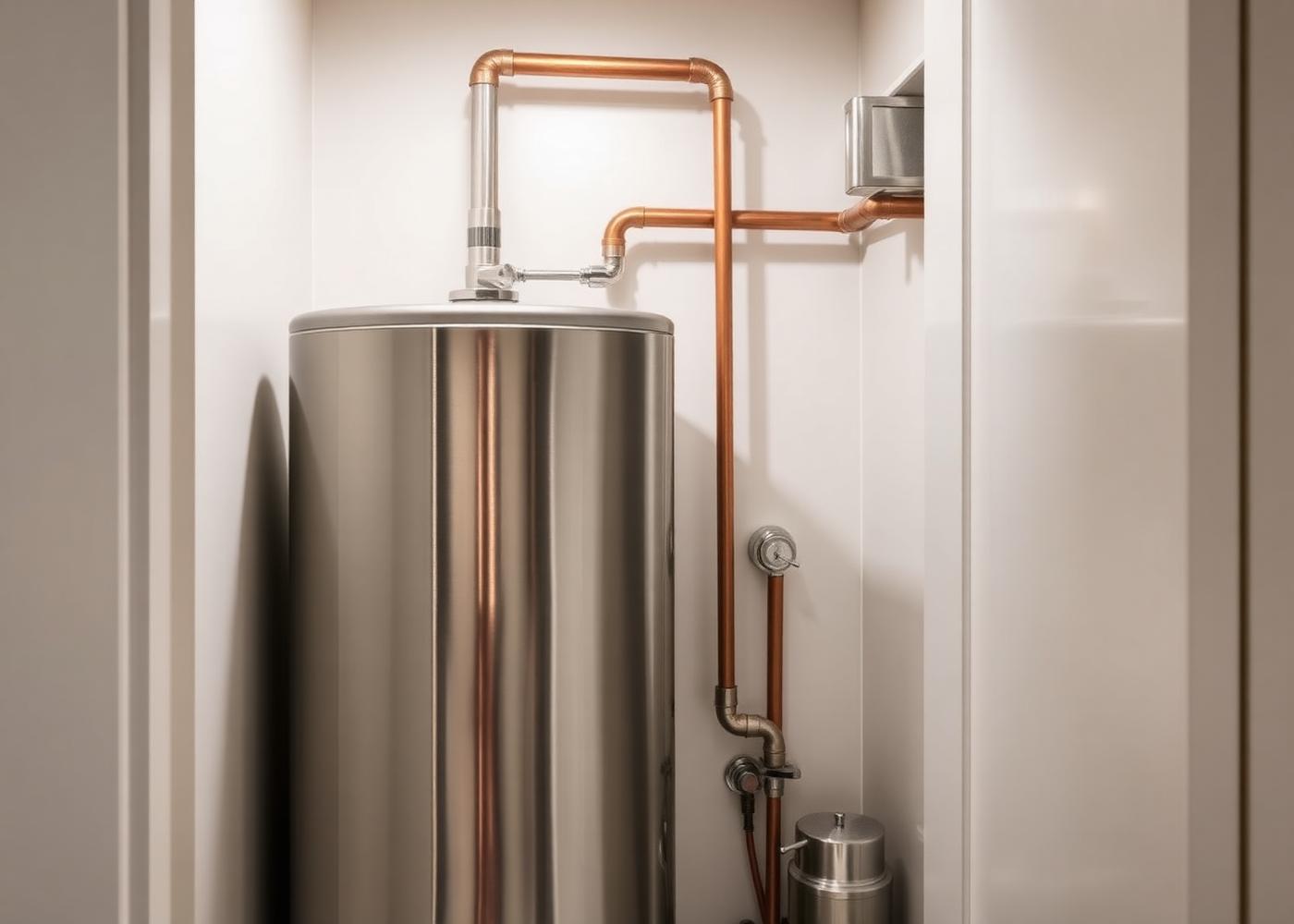
At a glance
Hot Water Cylinder Replacement — key points
- Leaking or failed cylinders
- Ageing systems nearing end of life
- Low pressure to mains pressure upgrades
- Correct sizing for household demand
- Modern high-efficiency electric cylinders
- Heat pump hot water as an alternative
Signs your cylinder may need replacing
Water pooling around the base of the cylinder, rust or corrosion on the casing, discoloured hot water, banging or rumbling noises, and a noticeable drop in how long the hot water lasts are all common indicators that a cylinder is deteriorating.
A leaking cylinder should be treated as urgent. Water damage can escalate quickly, and a failing cylinder rarely recovers on its own.
- Water around or beneath the cylinder
- Rust, corrosion or staining on the casing or fittings
- Hot water running out faster than it used to
- Discoloured or metallic-smelling hot water
- Rumbling, popping or banging sounds
- Repeated element or thermostat failures
Low pressure or mains pressure?
Many older New Zealand homes still run low-pressure (open-vented) cylinders with a header tank in the ceiling. Replacing like-for-like is possible, but many households take the opportunity to move to a mains-pressure system for stronger, more balanced hot and cold flow.
A mains-pressure upgrade involves more than swapping the cylinder — pipework, valves and pressure-control components must be suitable. Your installer will assess what your property needs.
Choosing the right size
Cylinder capacity should reflect the number of people in the home and peak demand — for example, morning showers overlapping with laundry. Common household sizes range from around 135 litres for smaller homes through to 300 litres or more for larger families.
Recovery rate matters as much as raw capacity. A correctly sized system keeps up with your household without running unnecessary standing losses.
Should you upgrade instead of replace?
If your cylinder is already at end of life, it is a natural time to consider whether a different technology suits the household better — for example a modern high-efficiency electric cylinder, or a heat pump hot water system that reduces ongoing energy use.
There is no single right answer. The best decision depends on your property, budget, space and how much hot water your household uses.
Questions
Frequently asked questions
How long does a hot water cylinder last?
Service life varies with water quality, cylinder type and maintenance, but many New Zealand cylinders are replaced somewhere between 15 and 25 years of age. Manufacturer warranties and installation quality also influence longevity.
My cylinder is leaking — what should I do?
Treat it as urgent. Turn off the power supply to the cylinder if it is safe to do so, close the cylinder's cold-water isolating valve if you can locate it, and request assistance from a qualified professional promptly.
Can a leaking cylinder be repaired?
If the leak is from a valve or fitting, a repair may be possible. A leak from the cylinder body itself usually means the vessel has failed and replacement is required. A qualified tradesperson can diagnose the source.
Ready to upgrade your hot water?
Tell us what you need and we'll connect you with a suitable independent hot-water professional in your area.
No obligation. Free to request. Your details may be shared with a suitable independent provider so they can respond.